
Which areas of Luton and Dunstable have the most home births?
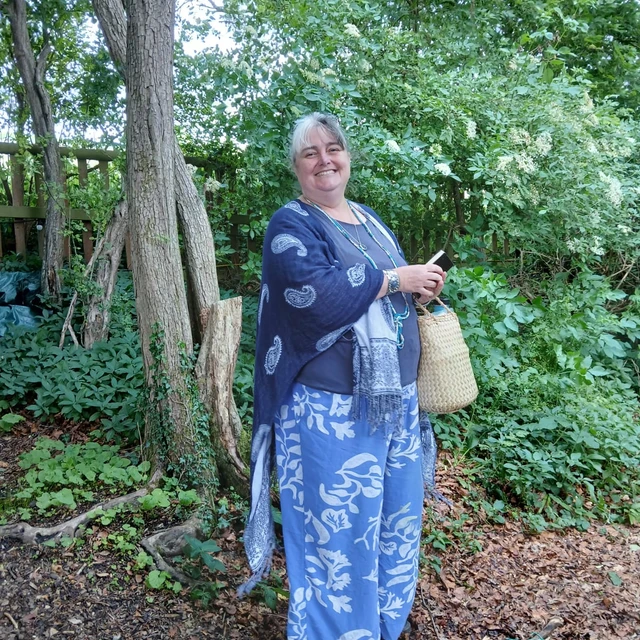

Three of my babies were born at home with midwives from Luton and Dunstable Hospital. This picture is the first of those. I’ve also been at lots of home births in the area as a doula. I have always found the community midwives to be very supportive of home birth, with the odd exception.
Overall Luton and Dunstable Hospital Trust (L&D) has a low home birth rate, much like most other hospitals. It is currently about 1%, which is about as low as it has ever been. At one point, just before the pandemic, it was over 4%. Other local hospitals who have had an established home birth teams, saw their home birth rates rise to over 6%, but since those have been disbanded, their rates have dropped too.
Most parents-to-be don’t know the stats around the safety and benefits of planning a home birth. They think that just in case something goes wrong then hospital would be the safest.
The research is robust and clear: a planned home birth is at least as safe as a planned hospital birth, for parent and baby, even for first timers, and many of those at higher risk.
Planned home birth is associated with far fewer interventions, fewer tears, fewer cases of haemorrhage, and less pain relief needed, even if there is a need to transfer to hospital.
Better outcomes for babies born at home include: score higher on Apgar wellbeing score at birth, less likely to need special care, more likely to be breastfed, and better gut health.
In my experience, three things prompt people to consider planning a home birth:
They know someone who’s had a home birth.
Their midwife suggested it, either in this current pregnancy, or after their last birth.
They had a traumatic birth last time, and want to improve the chance of a positive and healing birth, where they are listened to and have more bodily autonomy.
Some community midwives have higher home birth rates than others, down to their confidence and the enthusiasm their pass on to their clientele.
Consistently over the years, when I have spoken to midwives they have said that these four areas have the highest home birth rate.
1. Stopsley, Luton
2. Leighton Buzzard
3. Harpenden
4. Toddington and Harlington
Did you have a home birth in one of these areas? Or elsewhere?
Three days after giving birth to my youngest, I had a check in call from a community midwife. She told me that the midwives who had been at the birth had come into the office full of beans. She said to me “We do like home births.”

My experience of having home births in the area prompted me to set up the Luton and Dunstable Home Birth Group, that now covers from Bedford down to Leighton Buzzard too.
Next month is the inaugural Luton Home Birth Conference, I am organising, with others.

Saturday 6th June, International Home Birth Day, will see renowned and respected midwives, researchers, lectures, doulas, antenatal teachers, and home birthing parents come to Venue 360 in Luton, to give talks on everything from ‘The power of planning a home birth’, ‘Supporting pregnant autistic people’ to ‘Home birth outside of guidelines’ and ‘Home birth as an obstetrician’. Dr Ria Clarke, known as Dr Mummy on Instagram, will be sharing her home birth stories.
We hope to reach local expectant parents, even if they are not sure about home birth, and also parents just wanting to know more about giving birth full stop. We welcome any parent who has had a home birth to come too. Home birth benefits everyone.
I'm Cathy, Chilled Mama.


Comments